Why This Problem Happens
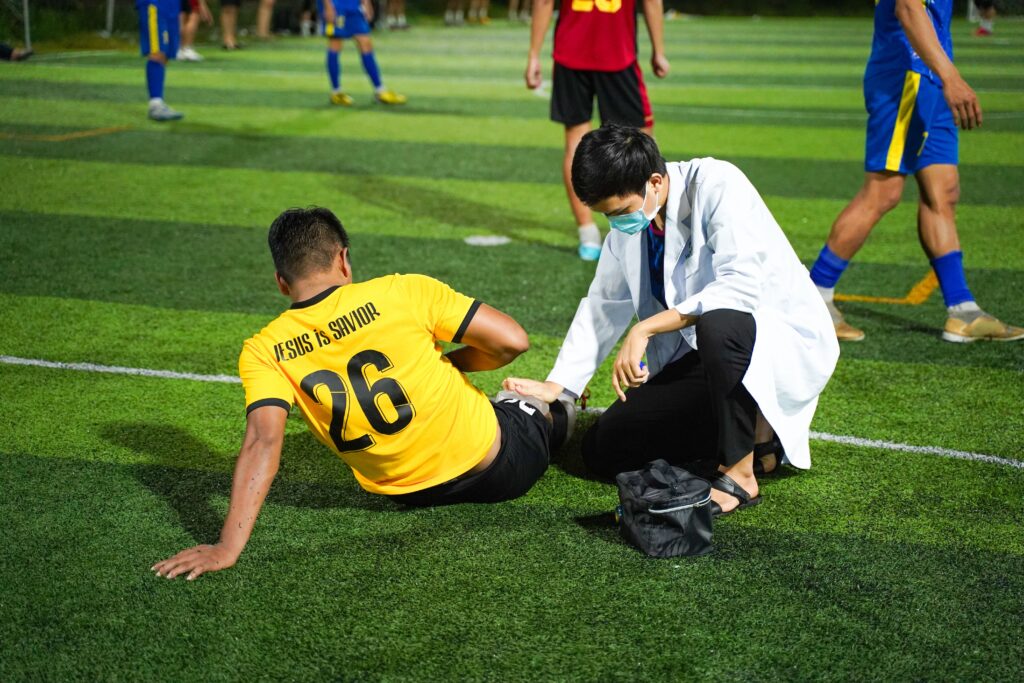
Sports injuries can happen to anyone, from professional athletes to people who play sports for fun or exercise regularly. These injuries often occur because of sudden movements, falls, direct impact, overtraining, poor warm-up routines, or incorrect exercise techniques. In some cases, muscle weakness, poor flexibility, improper posture, or wearing unsuitable footwear can also increase the risk of injury. Many people continue playing despite experiencing pain, which can worsen the condition and make recovery more difficult. Understanding the cause of the injury is the first step toward successful treatment and complete recovery.
What Happens in a Physiotherapy Assessment
The recovery of sports injury begins with a detailed physiotherapy assessment. During your first visit, the physiotherapist will ask questions about how the injury occurred, your medical history, your level of physical activity, and the symptoms you are experiencing. A physical examination is then carried out to evaluate pain levels, joint mobility, muscle strength, flexibility, posture, balance, and movement patterns. The physiotherapist may also observe how you walk, run, or perform certain movements related to your sport. This detailed assessment helps identify the exact cause of the injury and allows the physiotherapist to create a personalized treatment plan based on your condition and recovery goals.
Core Treatment Pillars
Physiotherapy focuses on treating the root cause of the injury rather than simply reducing pain. The treatment usually begins with techniques that help control pain and inflammation, making it easier for the body to heal. As recovery progresses, gentle stretching and mobility exercises are introduced to restore normal joint movement and improve flexibility. Strengthening exercises are then added to rebuild weakened muscles and provide better support to the injured area. Balance and coordination training help improve stability, while sport-specific rehabilitation prepares patients to return safely to their chosen activity. Every stage of treatment is carefully planned to ensure steady progress and reduce the risk of reinjury.
Home Program: How to Practice Safely
Recovery continues even after you leave the physiotherapy clinic. Your physiotherapist will provide a home exercise program that is specifically designed for your condition and stage of recovery. It is important to perform these exercises exactly as instructed, maintaining the correct posture and movement technique throughout each session. Exercises should be completed consistently but without forcing movements that cause severe pain. Adequate rest, proper hydration, balanced nutrition, and sufficient sleep also play an important role in supporting the body’s natural healing process. Following the home program regularly can significantly improve recovery outcomes and help you return to sports more quickly.
Recovery Timeline: What to Expect
The recovery timeline varies from person to person because every sports injury is different. Factors such as the type of injury, its severity, the patient’s age, overall health, and commitment to physiotherapy all influence the healing process. During the first few weeks, treatment mainly focuses on reducing pain and swelling while restoring basic movement. As healing progresses, exercises become more advanced to improve strength, flexibility, balance, and endurance. Mild injuries may recover within a few weeks, whereas more serious ligament, tendon, or muscle injuries may require several months of rehabilitation. Your physiotherapist will monitor your progress regularly and adjust your treatment plan to ensure safe and effective recovery.
Common Mistakes That Slow Healing
Many people unintentionally delay the recovery of sports injury by returning to sports too early or ignoring the advice of their physiotherapist. Skipping treatment sessions, failing to perform prescribed home exercises, or stopping rehabilitation as soon as the pain decreases can prevent complete healing. Depending only on painkillers without addressing the underlying problem is another common mistake. Poor nutrition, lack of sleep, dehydration, and inadequate warm-up before exercise can also slow the healing process. Avoiding these mistakes allows the body to recover properly and reduces the chances of suffering another injury.
When to Visit a Physiotherapist Without Delay
It is important to consult a physiotherapist as soon as possible if you experience severe pain, swelling, difficulty walking, reduced joint movement, muscle weakness, or instability after a sports injury. Persistent pain that does not improve after a few days of rest should never be ignored. Repeated injuries to the same area, numbness, tingling sensations, or difficulty performing normal daily activities are also signs that professional assessment is necessary. Early physiotherapy treatment helps prevent complications and allows recovery to begin before the injury becomes more serious.
How to Maintain Results Long Term
Recovering from a sports injury is only the beginning. Maintaining the results requires ongoing attention to your physical health. Continuing with strengthening and flexibility exercises, warming up before sports, cooling down afterward, maintaining proper posture, and using the correct techniques during physical activity all help reduce the risk of future injuries. Staying physically active, eating a nutritious diet, and allowing enough recovery time between training sessions are equally important. Regular physiotherapy check-ups can also help identify small problems before they develop into more serious injuries.
Final Takeaway
The recovery of sports injury is a gradual process that requires patience, consistency, and expert guidance. While rest may reduce discomfort temporarily, complete healing requires a structured rehabilitation program that restores strength, flexibility, balance, and confidence. Physiotherapy not only helps relieve pain but also addresses the underlying cause of the injury, allowing you to return to your sport safely while reducing the risk of future injuries. At Pari’s Physiotherapist Center, we are committed to providing personalized physiotherapy care that supports faster recovery, improved performance, and long-term physical well-being. If you are recovering from a sports injury, our experienced team is here to help you every step of the way.