Knee pain is one of the most common musculoskeletal problems affecting people of all ages. Whether it develops due to an injury, arthritis, sports activities, or daily wear and tear, knee pain can make simple tasks such as walking, climbing stairs, sitting, or standing uncomfortable. Ignoring the pain or relying only on medications may provide temporary relief, but it does not always address the underlying cause.
Physiotherapy for knee pain is a safe, effective, and non-surgical treatment that focuses on reducing pain, restoring movement, strengthening the muscles around the knee, and preventing future injuries. At Pari’s Physiotherapist Center, we provide personalized physiotherapy programs designed to help patients recover faster and return to their daily activities with confidence.
Introduction
The knee is one of the largest and most important joints in the human body. It supports your body weight and allows movements such as walking, running, jumping, bending, and climbing stairs. Because of its constant use, the knee is more likely to experience stress, injuries, and age-related changes.
Knee pain can range from mild discomfort to severe pain that limits movement and affects your quality of life. While some cases improve with rest and lifestyle changes, many require professional physiotherapy to restore normal function. Early treatment not only reduces pain but also prevents long-term complications and helps patients regain confidence in their movement.
Why This Problem Happens
Knee pain can develop for many reasons. Sports injuries, ligament tears, cartilage damage, muscle strains, and meniscus injuries are common among active individuals. In older adults, osteoarthritis is one of the leading causes of persistent knee pain due to the gradual wear and tear of joint cartilage.
Other contributing factors include obesity, poor posture, muscle weakness, prolonged standing, repetitive movements, improper exercise techniques, previous injuries, and lack of physical activity. These factors increase stress on the knee joint, causing pain, stiffness, swelling, and reduced mobility. Understanding the cause of knee pain is important because effective treatment focuses on correcting the underlying problem rather than simply masking the symptoms.
What Happens in a Physiotherapy Assessment
The first step in successful rehabilitation is a comprehensive physiotherapy assessment. During your first visit to Pari’s Physiotherapist Center, the physiotherapist will discuss your symptoms, medical history, daily activities, and any previous injuries or surgeries. They will ask about when the pain started, which movements increase discomfort, and how the condition affects your daily life.
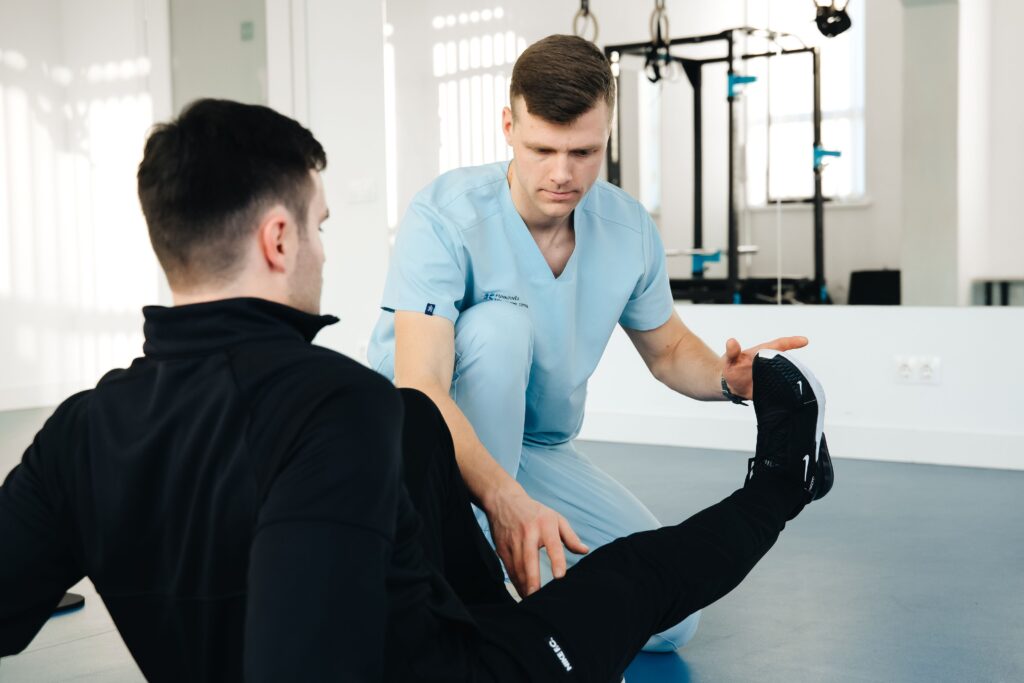
A physical examination is then performed to assess knee movement, muscle strength, flexibility, balance, posture, walking pattern, and joint stability. The physiotherapist may also evaluate the hip and ankle joints, as problems in these areas can influence knee function. Based on the assessment findings, a personalized treatment plan is created to suit your condition and recovery goals.
Core Treatment Pillars
Physiotherapy for knee pain follows a structured approach that aims to reduce pain while restoring normal knee function. Treatment usually begins with techniques such as manual therapy, soft tissue mobilization, heat or cold therapy, ultrasound therapy, or electrical stimulation to reduce pain and inflammation.
Once the pain becomes manageable, gentle stretching exercises help improve flexibility and restore joint mobility. Strengthening exercises are gradually introduced to build the muscles surrounding the knee, including the quadriceps, hamstrings, calves, and hip muscles, which provide stability and reduce stress on the joint.
Balance and coordination exercises improve movement control and reduce the risk of falls or reinjury. Functional rehabilitation then focuses on helping patients return safely to activities such as walking, climbing stairs, exercising, or participating in sports. Throughout treatment, patients also receive education on posture, body mechanics, and joint protection techniques to support long-term recovery.
Home Program: How to Practice Safely
Your recovery continues even after leaving the physiotherapy clinic. A personalized home exercise program is an essential part of physiotherapy for knee pain and helps maintain progress between treatment sessions. The exercises prescribed by your physiotherapist should be performed regularly using the correct technique and without rushing through the movements.
Patients should avoid high-impact activities that increase pain and instead focus on controlled exercises that improve strength and flexibility. Wearing supportive footwear, maintaining a healthy body weight, and avoiding prolonged sitting or standing can also reduce pressure on the knee joint. If any exercise causes severe pain or swelling, it is important to stop and consult your physiotherapist before continuing.
Recovery Timeline: What to Expect
Recovery from knee pain depends on the underlying cause, the severity of the condition, the patient’s age, overall health, and commitment to rehabilitation. Mild muscle strains or overuse injuries may improve within a few weeks, while ligament injuries, cartilage damage, or arthritis-related conditions often require a longer rehabilitation period.
During the first few weeks, treatment focuses on reducing pain, swelling, and stiffness while restoring comfortable movement. As recovery progresses, strengthening, balance, and functional exercises become more advanced. Many patients notice steady improvement with consistent physiotherapy, although complete recovery for more complex conditions may take several months. Regular follow-up sessions help monitor progress and ensure the treatment plan is adjusted according to individual needs.
Common Mistakes That Slow Healing
Many people unintentionally delay their recovery by ignoring persistent knee pain or continuing activities that place excessive stress on the joint. Others rely only on painkillers without addressing the underlying cause of the problem. Skipping physiotherapy sessions, failing to perform home exercises, or returning to sports and heavy activities too early can also slow the healing process.
Poor posture, wearing unsuitable footwear, carrying excess body weight, and maintaining a sedentary lifestyle further increase pressure on the knee and may lead to recurring pain. Following professional guidance consistently is one of the most effective ways to achieve lasting recovery.
When to Visit a Physiotherapist Without Delay
You should consult a physiotherapist if your knee pain lasts for several days, keeps returning, or begins affecting your ability to walk, climb stairs, or perform daily activities. Swelling, joint stiffness, reduced range of motion, instability, or pain after a sports injury should also be evaluated promptly.
Early physiotherapy can help identify the cause of the problem, reduce pain more effectively, and prevent the condition from becoming more serious.
How to Maintain Results Long Term
Long-term knee health depends on maintaining strong muscles, healthy joints, and an active lifestyle. Continuing strengthening and stretching exercises after recovery helps support the knee and reduce the likelihood of future injuries. Regular physical activity, maintaining a healthy body weight, and warming up before exercise all contribute to better joint health.
Practicing good posture, using proper lifting techniques, and wearing appropriate footwear also reduce unnecessary stress on the knees. Regular physiotherapy check-ups can help detect minor problems early and keep your joints functioning at their best.
Final Takeaway
Knee pain should never be ignored because it can gradually affect your mobility, independence, and quality of life. Physiotherapy for knee pain provides a safe and effective solution by treating the root cause of the problem rather than simply reducing symptoms. Through personalized rehabilitation, strengthening exercises, movement training, and patient education, physiotherapy helps reduce pain, restore mobility, and improve overall knee function.
At Pari’s Physiotherapist Center, our experienced physiotherapists create customized treatment plans based on each patient’s condition and recovery goals. Whether your knee pain is caused by arthritis, a sports injury, or daily wear and tear, we are committed to helping you regain strength, confidence, and an active lifestyle.
Book Your Appointment Today
If you are experiencing persistent knee pain, don’t wait for the condition to worsen. Visit Pari’s Physiotherapist Center for expert physiotherapy for knee pain and receive a personalized rehabilitation plan designed to reduce pain, restore mobility, and help you return to your daily activities safely. Book your appointment today and take the first step toward healthier, stronger knees.