A slip disc, also known as a herniated disc or prolapsed disc, is one of the most common causes of back pain. It can make everyday activities such as sitting, walking, bending, or lifting objects extremely painful. Many people believe that surgery is the only solution for a slip disc, but this is not always true. In fact, many patients recover successfully through conservative treatment, especially with physiotherapy.
Slip disc treatment without surgery focuses on reducing pain, improving mobility, strengthening the spine, and helping the body heal naturally. At Pari’s Physiotherapist Center, we provide personalized rehabilitation programs that help patients recover safely, improve their quality of life, and reduce the chances of future back problems.
Introduction
The spine is made up of bones called vertebrae, with soft discs placed between them. These discs act as cushions that absorb shock and allow smooth movement. A slip disc occurs when the soft inner portion of a disc pushes through its outer layer and presses on nearby nerves. This pressure can lead to pain, numbness, tingling, or weakness in the back, legs, or arms, depending on the affected area.
Although a slip disc can be painful, surgery is not necessary for every patient. In many cases, physiotherapy provides effective relief by reducing pressure on the affected nerves, improving spinal stability, and restoring normal movement.
Why This Problem Happens
A slip disc can develop for several reasons. Age-related wear and tear is one of the most common causes, as spinal discs gradually lose flexibility and become more prone to injury over time. Poor posture, improper lifting techniques, prolonged sitting, obesity, lack of physical activity, and repetitive bending or twisting movements can also increase the risk.
Sports injuries, sudden accidents, and physically demanding jobs that involve heavy lifting may place excessive stress on the spine, leading to a herniated disc. Weak core muscles and poor spinal support further increase the likelihood of developing this condition.
Understanding these risk factors is important because treating the underlying cause is essential for preventing future episodes.
What Happens in a Physiotherapy Assessment
The first step in slip disc treatment without surgery is a detailed physiotherapy assessment. During your initial consultation at Pari’s Physiotherapist Center, the physiotherapist will discuss your symptoms, medical history, occupation, and daily activities. They will ask questions about when the pain started, whether it travels to the legs or arms, and which movements make the symptoms worse or better.
A physical examination is then performed to assess posture, spinal mobility, muscle strength, flexibility, balance, walking pattern, and nerve function. Special movement tests may also be carried out to identify the affected spinal level and determine how the condition is influencing your daily life. Based on these findings, a personalized rehabilitation plan is created according to your specific needs.
Core Treatment Pillars
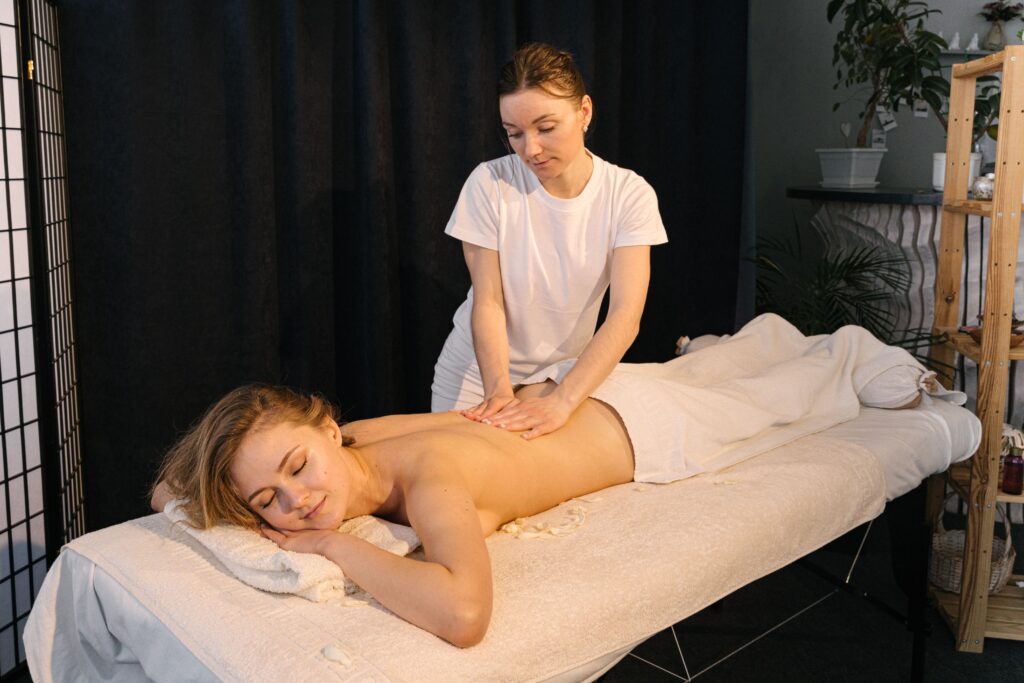
Physiotherapy aims to reduce pain while improving the strength and function of the spine. In the early stages, treatment focuses on relieving pain and reducing muscle tension using manual therapy, soft tissue techniques, heat or cold therapy, and other appropriate physiotherapy modalities.
As symptoms improve, gentle mobility exercises help restore spinal movement and reduce stiffness. Core strengthening exercises are then introduced to improve the stability of the spine and reduce pressure on the injured disc. Stretching exercises help improve flexibility, while posture correction and ergonomic training teach patients how to sit, stand, lift, and move safely during daily activities.
Functional rehabilitation is gradually added to help patients return confidently to work, household responsibilities, and recreational activities without increasing the risk of reinjury.
Home Program: How to Practice Safely
A well-designed home exercise program is an important part of slip disc treatment without surgery. Your physiotherapist will recommend exercises that match your stage of recovery and physical condition.
When exercising at home, movements should always be slow, controlled, and performed with proper technique. Exercises should never cause sharp or severe pain. Maintaining correct posture while sitting, standing, and sleeping is equally important. Patients should avoid lifting heavy objects, sudden twisting movements, and prolonged sitting without taking regular breaks.
Staying physically active within safe limits, maintaining a healthy body weight, drinking enough water, and following your physiotherapist’s instructions all contribute to faster recovery.
Recovery Timeline: What to Expect
The recovery period varies depending on the severity of the slip disc, the patient’s age, general health, and commitment to rehabilitation. During the first few weeks, treatment focuses mainly on reducing pain, inflammation, and nerve irritation while restoring comfortable movement.
As healing progresses, strengthening and flexibility exercises become more advanced to improve spinal stability and prevent recurrence. Many patients begin noticing improvement within a few weeks, while complete recovery may take several months in more severe cases. Regular physiotherapy sessions and consistent home exercises significantly improve long-term outcomes.
Common Mistakes That Slow Healing
Many people unknowingly delay recovery by remaining on complete bed rest for long periods or returning to heavy physical activities too early. Ignoring posture, lifting heavy objects incorrectly, skipping physiotherapy appointments, and failing to perform prescribed exercises can all slow healing.
Relying only on pain medications without addressing the underlying cause may temporarily reduce symptoms but does not improve spinal stability. Smoking, poor nutrition, excess body weight, and a sedentary lifestyle can also negatively affect recovery.
Following professional guidance and staying consistent with rehabilitation helps achieve better long-term results.
When to Visit a Physiotherapist Without Delay
You should seek physiotherapy as soon as possible if you experience persistent back pain, pain that spreads down the leg or arm, numbness, tingling, muscle weakness, or difficulty performing daily activities. Early treatment is especially important if the pain continues despite rest or begins interfering with work and normal movement.
Prompt physiotherapy intervention often reduces the need for more invasive treatments and supports faster recovery.
How to Maintain Results Long Term
Long-term spinal health depends on maintaining strong core muscles, good posture, and an active lifestyle. Continuing your prescribed strengthening and stretching exercises helps support the spine and reduce stress on the discs.
Regular physical activity, proper lifting techniques, maintaining a healthy weight, using ergonomic furniture, and avoiding prolonged sitting all contribute to preventing future back problems. Periodic physiotherapy assessments can also help identify minor issues before they develop into more serious conditions.
Final Takeaway
A slip disc does not always require surgery. In many cases, slip disc treatment without surgery through physiotherapy provides excellent results by reducing pain, restoring movement, strengthening the spine, and improving overall function. Early diagnosis, personalized rehabilitation, and consistent home exercises are the key to achieving long-term recovery.
At Pari’s Physiotherapist Center, our experienced physiotherapists provide evidence-based treatment programs designed to help patients recover safely without unnecessary surgery. We are committed to helping you regain confidence, improve mobility, and return to your daily activities with lasting relief.
Book Your Appointment Today
If you are experiencing persistent back pain or symptoms of a slip disc, don’t wait for the condition to worsen. Contact Pari’s Physiotherapist Center today to begin your personalized slip disc treatment without surgery. Our expert physiotherapists will guide you through every stage of recovery so you can return to a healthy, active, and pain-free life.