Surgery is often an essential step in treating injuries, correcting physical conditions, or improving overall health. However, the surgical procedure itself is only one part of the recovery journey. Many patients assume that once the operation is completed, their body will automatically return to normal with rest alone. In reality, proper rehabilitation is often necessary to regain strength, mobility, and confidence.
This is where post-surgery physiotherapy plays a crucial role. Physiotherapy helps patients recover safely and effectively by reducing pain, improving movement, rebuilding muscle strength, and preventing complications. Whether you have undergone joint replacement surgery, ligament reconstruction, fracture repair, spinal surgery, or any other procedure, physiotherapy can significantly improve your recovery outcomes.
At Pari’s Physiotherapist Center, we provide personalized post-surgical rehabilitation programs designed to help patients achieve faster recovery and return to their daily activities with confidence.
Introduction
After surgery, the body needs time and support to heal properly. During recovery, patients often experience pain, swelling, stiffness, weakness, and reduced mobility. Without proper rehabilitation, these issues can slow healing and affect long-term function.
Post-surgery physiotherapy focuses on guiding patients through each stage of recovery. Through carefully planned exercises, movement training, and pain management techniques, physiotherapy helps restore normal function while protecting the surgical area. The goal is not only to recover from the operation but also to regain independence and improve overall quality of life.
Why This Problem Happens
Following surgery, the body’s natural healing response often causes inflammation, swelling, and temporary movement restrictions. Patients may also spend extended periods resting, which can lead to muscle weakness, joint stiffness, reduced flexibility, and poor circulation.
In some cases, fear of pain or reinjury causes people to avoid movement altogether. While rest is important initially, excessive inactivity can delay recovery and increase the risk of complications. This is why a structured rehabilitation program is essential for restoring normal movement and function.
What Happens in a Physiotherapy Assessment
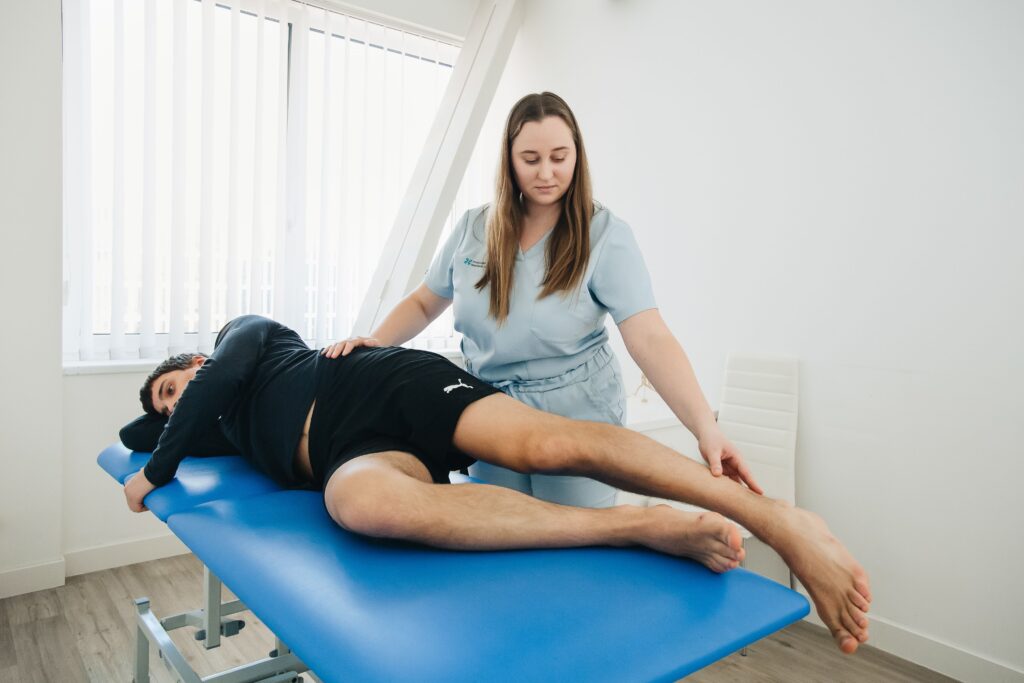
The recovery process begins with a detailed physiotherapy assessment. During the first session, the physiotherapist reviews the patient’s surgical history, medical records, and current symptoms. Information about pain levels, mobility limitations, swelling, and daily activity challenges is carefully gathered.
The physiotherapist then evaluates joint movement, muscle strength, balance, posture, flexibility, and overall physical function. This assessment helps determine the patient’s current condition and allows a personalized rehabilitation plan to be created. Every treatment program is tailored to the specific surgery performed and the individual’s recovery goals.
Core Treatment Pillars
Post-surgery physiotherapy focuses on several important aspects of recovery. Initially, treatment aims to reduce pain and swelling using safe and effective techniques. As healing progresses, gentle mobility exercises help restore joint movement and prevent stiffness.
Strengthening exercises are gradually introduced to rebuild weakened muscles and improve stability around the surgical area. Balance and coordination training help patients regain confidence and improve movement control. Functional rehabilitation focuses on helping patients safely return to everyday activities such as walking, climbing stairs, lifting objects, and performing work-related tasks.
Patient education is also an essential part of treatment. Understanding how to move safely and protect the healing tissues helps prevent setbacks during recovery.
Home Program: How to Practice Safely
Recovery does not stop when you leave the clinic. A structured home exercise program plays a major role in achieving successful rehabilitation. Your physiotherapist will provide specific exercises based on your stage of recovery and physical abilities.
When practicing at home, it is important to follow all instructions carefully and avoid activities that place excessive stress on the healing area. Exercises should be performed slowly and with proper technique. Patients should avoid comparing their progress with others, as every recovery journey is unique.
Adequate rest, proper nutrition, hydration, and following medical advice also contribute significantly to the healing process.
Recovery Timeline: What to Expect
The recovery timeline varies depending on the type of surgery, the patient’s age, overall health, and commitment to rehabilitation. During the first few weeks, the focus is usually on pain management, swelling reduction, and restoring basic movement.
As healing continues, strengthening and mobility exercises become more advanced. Many patients notice significant improvements within a few weeks, although complete recovery may take several months for more complex procedures. Consistent physiotherapy helps ensure steady progress and reduces the risk of long-term complications.
Your physiotherapist will regularly monitor your recovery and adjust the treatment plan according to your progress.
Common Mistakes That Slow Healing
Many patients unintentionally delay recovery by avoiding movement for too long or attempting to do too much too soon. Skipping physiotherapy sessions, neglecting home exercises, and ignoring professional advice can slow progress and increase the risk of complications.
Some individuals stop rehabilitation as soon as pain decreases, even though strength and mobility may not be fully restored. Poor posture, inadequate sleep, unhealthy eating habits, and returning to strenuous activities prematurely can also interfere with healing.
Avoiding these common mistakes helps support a smoother and more successful recovery process.
When to Visit a Physiotherapist Without Delay
Patients should begin physiotherapy as recommended by their surgeon or healthcare provider. Delaying rehabilitation can lead to stiffness, weakness, reduced mobility, and slower healing.
You should seek physiotherapy immediately if you experience persistent pain, difficulty moving the affected area, swelling that does not improve, muscle weakness, balance problems, or difficulty performing daily activities after surgery. Early intervention often leads to better long-term outcomes.
How to Maintain Results Long Term
Long-term success depends on continuing healthy habits even after formal rehabilitation is completed. Regular exercise, stretching, proper posture, and maintaining an active lifestyle help preserve strength and mobility.
Patients should continue following the exercises recommended by their physiotherapist and avoid returning to poor movement habits. Maintaining a healthy weight, staying physically active, and attending follow-up assessments when necessary can further support long-term recovery and overall physical health.
Final Takeaway
Surgery may correct the underlying problem, but full recovery often requires professional rehabilitation. Post-surgery physiotherapy helps reduce pain, improve mobility, restore strength, and prevent complications that could otherwise delay healing. Through personalized treatment plans and guided rehabilitation, physiotherapy allows patients to recover more safely and efficiently.
At Pari’s Physiotherapist Center, we are dedicated to helping patients achieve the best possible recovery after surgery. Our experienced physiotherapists create customized rehabilitation programs designed to restore function, improve confidence, and support long-term well-being.
Book Your Appointment Today
If you or a loved one is recovering from surgery, don’t leave your rehabilitation to chance. Contact Pari’s Physiotherapist Center today and let our expert physiotherapists guide you toward a faster, safer, and more complete recovery.